
Purchasing a property at auction or through a foreclosure sale is a strategic way to plant roots in Braselton. These transactions offer a path to homeownership that often bypasses the traditional competitive market. However, the transition from winning the bid to moving in requires a shift in perspective. You are no longer just an investor; you are a homeowner tasked with reviving a structure that may have been ignored for a significant period. Success depends on a methodical restoration plan that prioritizes the health of the building over cosmetic upgrades.
What Are the First Steps After Taking Ownership of a Foreclosed Home?
The moment the keys are in your hand, the clock starts on property stabilization. Most foreclosed homes have been vacant, and vacancy is a primary catalyst for deterioration. Your first task is a comprehensive safety and security sweep. Change every exterior lock immediately. You have no way of knowing who holds copies of the old keys, and establishing a secure perimeter is the baseline for all future work.
Next, conduct a deep-level utility audit. Do not simply flip the breakers or turn on the main water valve. Dormant systems can fail under sudden pressure. Check the plumbing for “dry rot” in gaskets and look for signs of pest intrusion in the electrical panel. Once the home is secure and the systems are monitored, clear out any abandoned property or debris. Removing these items is not just about cleanliness; it reveals the true state of the floors and baseboards, allowing you to spot hidden water stains or foundation cracks that were previously obscured.
Why Is the Exterior Envelope More Important Than Interior Design?
It is tempting to start picking out kitchen tiles or paint colors, but interior beauty is irrelevant if the exterior shell is compromised. A foreclosed home has likely missed several cycles of routine maintenance. In the Georgia climate, moisture and high humidity are persistent threats. If the roof has a small leak or the siding is pulling away from the frame, the environment inside the home will remain unstable.
Prioritize a “top-down” approach. Examine the roof for missing shingles or damaged flashing. Check the siding for warping, cracks, or gaps. These components serve as the home’s primary defense against the elements. Investing in the physical form of the property early on prevents the house from appearing neglected and, more importantly, stops active decay. By securing the exterior, you create a dry, stable environment that makes interior progress possible.
How Do You Evaluate the Condition of a Vacant Roof?
A roof that has not been inspected in years often hides its flaws. Begin by looking at the attic space. Search for daylight peeking through the boards or dark “tea-colored” stains on the rafters, which indicate slow, long-term leaks. On the exterior, look for granules in the gutters, a sign that asphalt shingles are reaching the end of their functional life.
For properties with specialized materials, the evaluation becomes more technical. Metal roof installation and repair require checking for rusted fasteners or shifted panels that can occur during thermal expansion. If the property is a commercial-to-residential conversion or has a flat extension, checking the TPO roofing for punctures or seam failures is essential. If the structure is sound but the materials are aging, applying a roof coating can be a practical way to add a layer of protection and improve energy efficiency without the cost of a total tear-down.
What Role Does Proper Drainage Play in Home Restoration?
One of the most common issues in distressed real estate is water damage caused by failed drainage. When gutters are clogged with leaves and debris for seasons on end, water overflows and pools at the foundation. In Braselton, where sudden heavy rain is common, this leads to crawlspace dampness and can eventually compromise the structural integrity of the home.
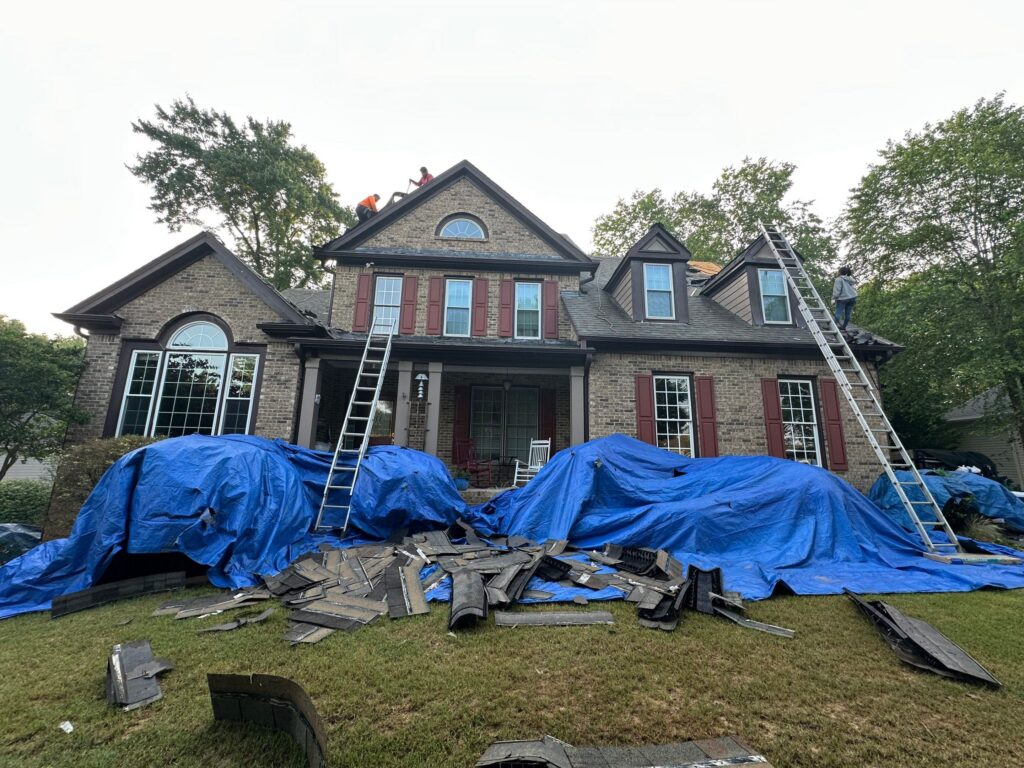
Effective gutter installation and repair is a foundational step in home restoration. You must be certain that water is captured and diverted at least five to ten feet away from the house. While you are checking the drainage, inspect the siding near the ground level. If the siding has been in constant contact with the backsplash from the roof, it may be soft or rotting. Replacing these sections protects the wall studs behind them and improves the home’s curb appeal.
When Should You Call a Professional Restoration Partner?
While DIY efforts are common in home restoration, certain systems require professional-grade tools and local building knowledge. Partnering with Alpine Roofing & Restoration gives you access to a team that understands the specific environmental challenges in Northeast Georgia. They provide the technical precision needed for complex tasks, such as storm damage restoration or identifying the subtle signs of wind damage for roof repair.
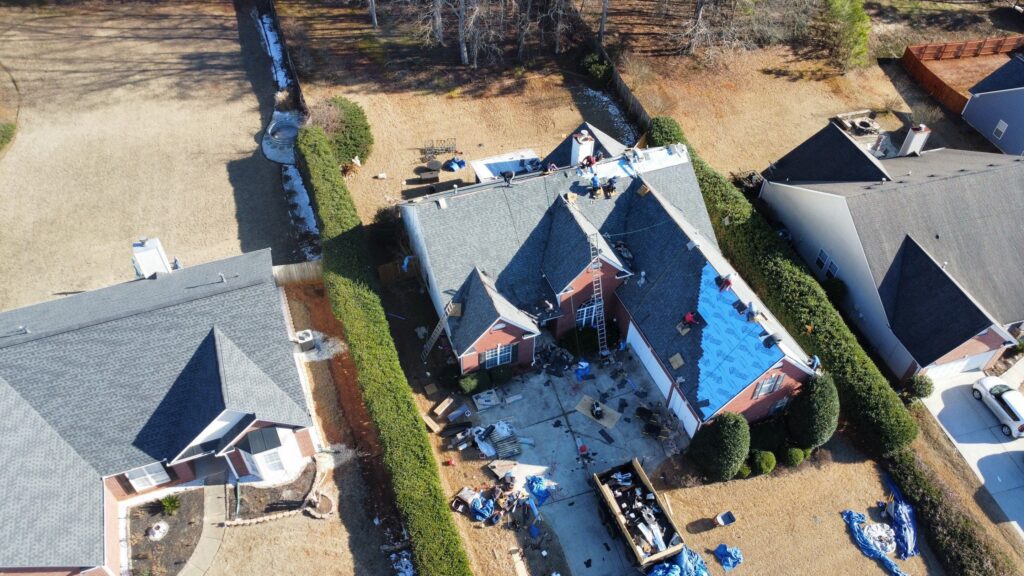
A professional contractor does more than just fix leaks; they help you build a maintenance schedule that prevents future issues. Regardless of the aftermath of a storm or the long-term effects of a previous owner’s neglect, their expertise confirms the work meets local codes and standards. This collaboration allows you to focus on making the house a home, while they confirm the structure remains safe and stable.
How Does Early Investment Protect Real Estate Value?
Restoring a foreclosed property is a race against time and the elements. By choosing to address hail damage repair or performing necessary roof repairs before they become emergencies, you are practicing proactive property management. This approach prevents minor issues from evolving into expensive structural failures.
Using durable, modern materials during your restoration keeps the home efficient and attractive. This direct investment into the home’s physical form supports a better living experience and safeguards the equity you are building in your new Braselton residence.
Connect with the experts today to build a durable, attractive roof for your new home.