
When a roof needs replacing, most homeowners assume that filing an insurance claim is the right financial move. The deductible is small. The insurance pays the rest. The math seems obvious. But for an increasing number of Greater Atlanta property owners, the actual math tells a different story. Paying out of pocket for a retail roof replacement, even when insurance coverage is available, often produces better financial outcomes over time. Understanding when and why that is true is among the more valuable pieces of homeowner knowledge in today’s insurance environment.
The Real Cost of Filing a Roof Insurance Claim
The cost of an insurance claim is not just the deductible. It includes several factors that homeowners frequently overlook when comparing the two options.
The hidden costs that affect the total financial picture include:
- Premium increases that often follow a claim, sometimes for multiple policy years. Even a single claim can raise annual premiums by hundreds of dollars, with the cumulative impact over five to ten years frequently exceeding the original out-of-pocket savings.
- Non-renewal risk, which has become a significant concern in Georgia’s insurance market. Carriers increasingly decline to renew policies after claims, particularly for older roofs or properties with prior claim history. The cost of obtaining replacement coverage at higher rates can be substantial.
- Claim history tracking, since insurance claims are reported to the Comprehensive Loss Underwriting Exchange (CLUE) database that other carriers consult when underwriting future policies. A claim on your record can affect coverage availability and pricing for years.
- Deductible obligations that may be higher than homeowners realize, particularly for wind and hail claims. Many Georgia policies now include separate percentage-based wind and hail deductibles that can run two percent or more of the dwelling coverage, which on a $400,000 home means an $8,000 deductible before insurance pays anything.
- Depreciation deductions on Actual Cash Value policies, which subtract depreciation from older roofs and significantly reduce the settlement compared to the actual replacement cost.
When these factors are added to the deductible, the true cost of filing a claim is often substantially higher than the deductible alone suggests.
When Retail Roof Replacement Makes Financial Sense
Several specific situations make paying out of pocket for a retail roof replacement the better financial decision, even when insurance coverage might be technically available.
The scenarios where retail makes more sense include:
- Smaller-scope replacements where the project cost is close to or only modestly above the deductible amount. If the project will run $12,000 and the deductible is $8,000, the $4,000 of potential insurance coverage may not justify the multi-year premium increases that follow.
- Older roofs covered under Actual Cash Value policies, where depreciation deductions reduce the settlement so significantly that the out-of-pocket cost after the settlement is similar to the retail price minus the avoided premium increases.
- Properties with recent claim history, where another claim risks non-renewal or substantial premium increases that would offset any settlement received.
- Cosmetic or partial damage that does not significantly affect roof function, where filing a claim creates more complications than the partial settlement justifies.
- Properties owned by landlords managing portfolios where multiple claims across properties could trigger broader coverage issues for the entire portfolio.
- Homeowners planning to sell within a few years, where claim history on the property record can affect both the sale process and the buyer’s future insurance options.
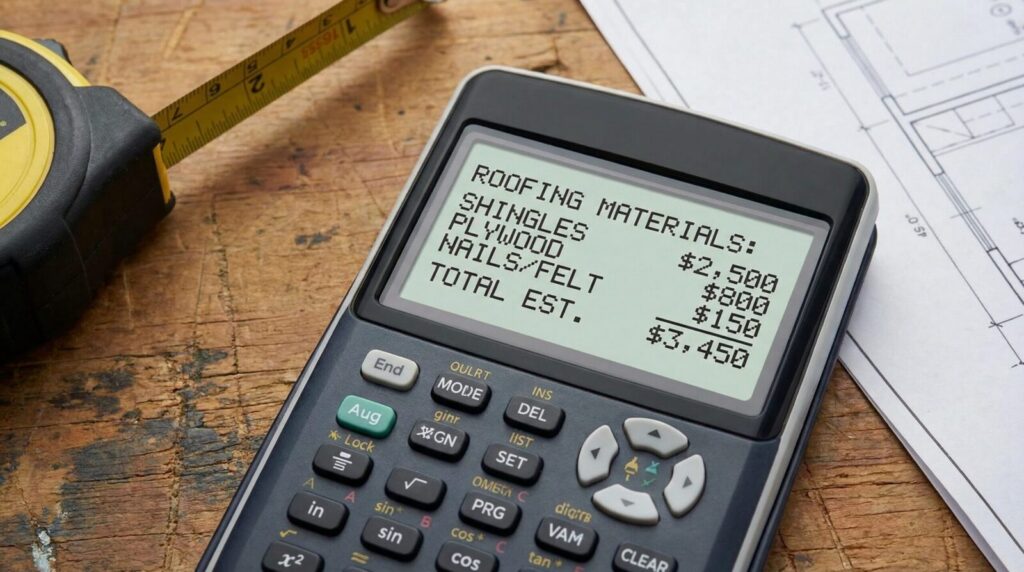
In each of these situations, running the actual math, including projected premium impacts over five to ten years, often reveals that the retail option produces better long-term financial outcomes than the insurance claim path.
The Hidden Advantages of Paying Out of Pocket
Beyond the direct financial math, retail roof replacement offers several practical advantages that insurance-driven projects do not provide.
The control and flexibility benefits include:
- Contractor selection without insurance carrier influence. When paying out of pocket, you choose your contractor based purely on qualifications, reputation, and fit for your project rather than navigating any pressure to use a carrier-preferred provider.
- Material upgrades without coverage limitations. Insurance settlements cover the replacement cost of comparable materials. Retail projects can incorporate impact-resistant shingles, premium underlayments, enhanced ventilation, or other upgrades that improve long-term performance without claim-related restrictions.
- Timeline flexibility. Retail projects can be scheduled when contractor availability is best and weather conditions are favorable, rather than under the pressure of claim deadlines and adjuster coordination.
- Scope flexibility. A retail project can address related work simultaneously, including gutter replacement, attic ventilation upgrades, skylight replacement, or other improvements that an insurance claim would not cover. Combining work produces efficiency savings that further offset the upfront cost.
- Simplified process. Without adjuster meetings, claim documentation requirements, supplement negotiations, or settlement disputes, the project moves faster and with less administrative overhead.
- No claim record. The completed project does not appear on insurance claim databases, preserving your clean record for any future situation where coverage genuinely matters.
For Greater Atlanta property owners working with a roofing contractor who provides transparent retail pricing and quality workmanship, the experience often produces better outcomes than insurance-driven projects despite the higher upfront cost.
When Insurance Claims Still Make Sense
The case for retail roof replacement does not mean that insurance claims are always the wrong choice. Several situations make filing a claim the clearly better financial decision.
Insurance claims still make sense in these scenarios:
- Significant storm damage where the cost of replacement far exceeds the deductible, particularly when the damage qualifies as a clear sudden-and-accidental event under the policy
- Replacement Cost Value policies on newer roofs that have not significantly depreciated, where the full replacement cost is covered without depreciation reductions
- First claims with no prior claim history, where the premium impact and non-renewal risk are minimized compared to homeowners with prior claims
- Catastrophic damage that involves the full roof system, structural components, and potentially related interior damage, where the total claim value clearly exceeds any premium impact
- Properties owned for short-term holds where future premium increases will affect a future owner rather than the current owner
- Hurricane or named storm damage in coastal areas where claim-related premium impacts may be regulated or where state-backed insurance pools handle major events
The right decision depends on the specific situation, the policy terms, the claim history, and the long-term ownership plans. There is no universal answer that applies to every property.
How to Run the Math on Your Specific Situation
The decision between retail roof replacement and an insurance claim is ultimately a financial calculation specific to your property, your policy, and your situation. Running the numbers honestly produces a clearer answer than relying on the general assumption that insurance is always the right choice.
The factors to compare include several specific numbers:
- The retail cost of replacement from a qualified contractor providing transparent pricing
- Your deductible amount, including any separate wind and hail deductibles that may apply
- The projected insurance settlement amount, accounting for depreciation on Actual Cash Value policies
- The estimated premium impact of filing a claim, both in the year following and across subsequent renewal periods
- The non-renewal risk based on your carrier’s recent practices and your existing claim history
- The likelihood of needing additional claims in the foreseeable future, since each claim compounds the impact of prior ones
A reputable roofing contractor working with Greater Atlanta property owners can help structure this comparison by providing transparent retail pricing and identifying which path produces better financial outcomes for your specific circumstances. A roof inspection and assessment from a qualified contractor produces the documented information needed to make this decision with clarity rather than guessing.
What a Quality Retail Roof Replacement Includes
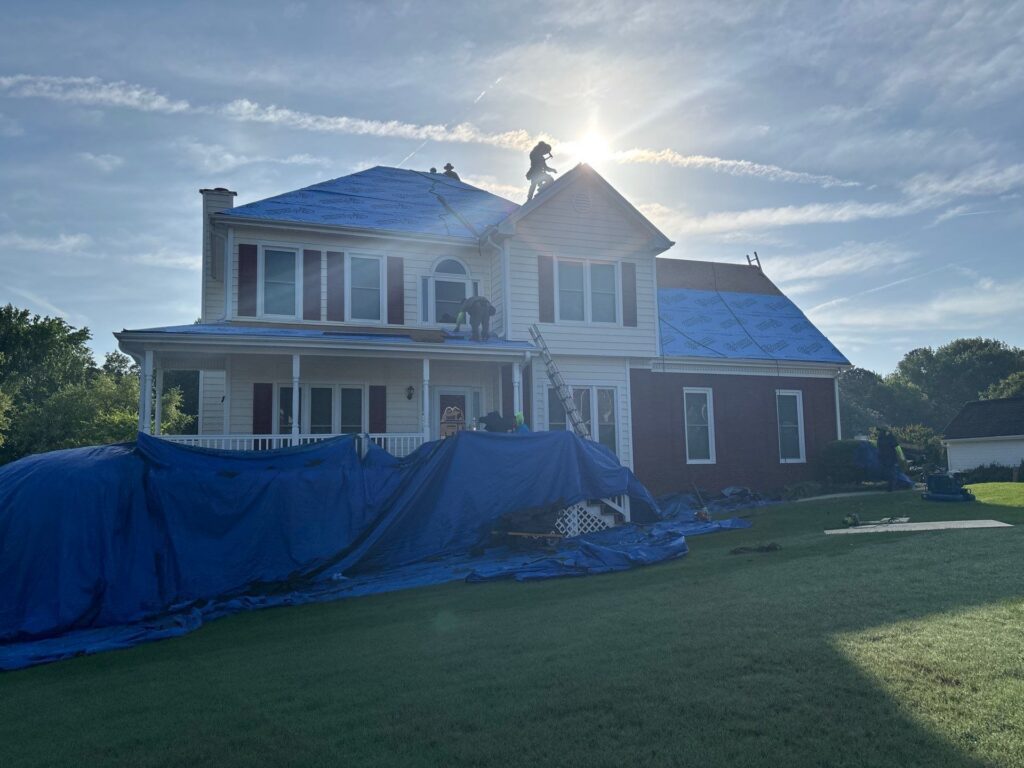
When the math points toward retail roof replacement, the quality of the project becomes the determining factor in whether the investment delivers the long-term value that justifies the upfront cost.
A complete retail roof replacement should include:
- Material specifications appropriate to Greater Atlanta’s climate, including impact-resistant shingles where the upgrade cost is justified by long-term performance and potential insurance premium discounts on future policies
- Proper underlayment with synthetic materials and adequate ice-and-water shield coverage at vulnerable areas
- Complete flashing replacement at every penetration and roof transition, rather than reuse of existing flashings under new shingles
- Manufacturer-certified installation that activates enhanced warranty coverage
- Permit pulling and inspection through Lee County or the appropriate local authority
- Ventilation correction if the existing system is inadequate for the roof’s surface area
- Comprehensive cleanup including magnetic nail sweeps and full debris removal
- Strong workmanship warranty with terms clearly specified in writing
The cost difference between a quality retail replacement and a budget-minimum project is often less than property owners expect, while the long-term performance difference is substantial. A retail roof installed with quality materials, proper specifications, and certified installation typically delivers 25 to 35 years of service in Greater Atlanta’s climate, which spreads the upfront investment across more service years than a budget installation would provide.
Make the Decision That Fits Your Specific Situation
The choice between retail roof replacement and an insurance claim is not binary, and it is not universal. Greater Atlanta property owners who understand the actual variables affecting their specific situation make better decisions than those who default to assumptions about which option is automatically the right one. With insurance premiums rising, deductibles increasing, and non-renewal risks growing, retail roof replacement deserves serious consideration as a financial strategy rather than being dismissed as the more expensive option. The numbers often tell a different story than the conventional wisdom suggests.
Get the Information That Supports the Right Roofing Decision
The team at Alpine Roofing & Restoration is ready to help. Contact us today to schedule a professional roof replacement assessment at your Greater Atlanta property and receive transparent retail pricing alongside the information you need to compare your options honestly and choose the path that produces the best long-term outcome.