
Metal roofing has moved well beyond the agricultural buildings and industrial structures it was associated with decades ago. Today, an increasing number of Georgia homeowners are considering metal as a serious option for residential roof replacement, drawn by promises of longer lifespan, better energy efficiency, and superior storm resistance. The pros are real. So are the cons. Understanding both honestly, and how each applies to Georgia’s specific climate, is what separates a good metal roofing decision from a costly mistake.
The Pros: Why Georgia Homeowners Are Choosing Metal
Metal roofing offers several genuine advantages that explain its growing popularity in the Georgia residential market. These benefits are not marketing claims. They are measurable performance characteristics that affect the long-term value of the investment.
The most significant advantages include:
- Exceptional lifespan. A properly installed metal roof in Georgia typically lasts 40 to 70 years, depending on the specific system selected. Compared to the 18 to 25 years that asphalt shingles typically deliver in this climate, the lifespan difference produces meaningful long-term economics.
- Superior wind resistance. Quality metal roofing systems carry wind ratings of 140 mph or higher, significantly outperforming standard asphalt shingle systems. For Georgia properties exposed to severe thunderstorms and occasional tornado activity, this performance is genuinely valuable.
- Energy efficiency benefits. Metal roofing reflects solar radiant heat more effectively than asphalt, reducing the heat load on attics during Georgia’s intense summer months. Property owners frequently see cooling cost reductions of 10 to 25 percent after switching to metal, depending on the specific system and home configuration.
- Hail damage resistance. Many metal roofing systems carry Class 4 impact ratings, the highest available rating. For Georgia properties exposed to hail, this rating may qualify for insurance premium discounts that partially offset the higher upfront cost.
- Lower long-term maintenance. Metal roofs require minimal routine maintenance compared to asphalt systems, which need periodic attention to flashing, ridge caps, and shingle replacement as they age.
- Fire resistance. Metal roofing carries Class A fire ratings without requiring additional fire-resistant treatments, providing peace of mind for properties in areas with wildfire concerns.
- Sustainability profile. Metal roofing is typically manufactured with significant recycled content and is fully recyclable at end of service life, appealing to environmentally conscious homeowners.
These advantages explain why metal roofing has captured a growing share of the residential roof installation market, particularly among property owners planning long-term holds.
The Cons: What Georgia Homeowners Should Honestly Consider
The advantages of metal roofing are real, but so are the limitations. Property owners who consider only the benefits without weighing the trade-offs often experience disappointment with the actual ownership experience.
The genuine drawbacks include several factors worth understanding:
- Higher upfront cost. Metal roofing typically costs two to three times more than comparable asphalt shingle systems on a per-square-foot basis. For an average Georgia home, the difference can run $15,000 to $30,000 above an asphalt replacement.
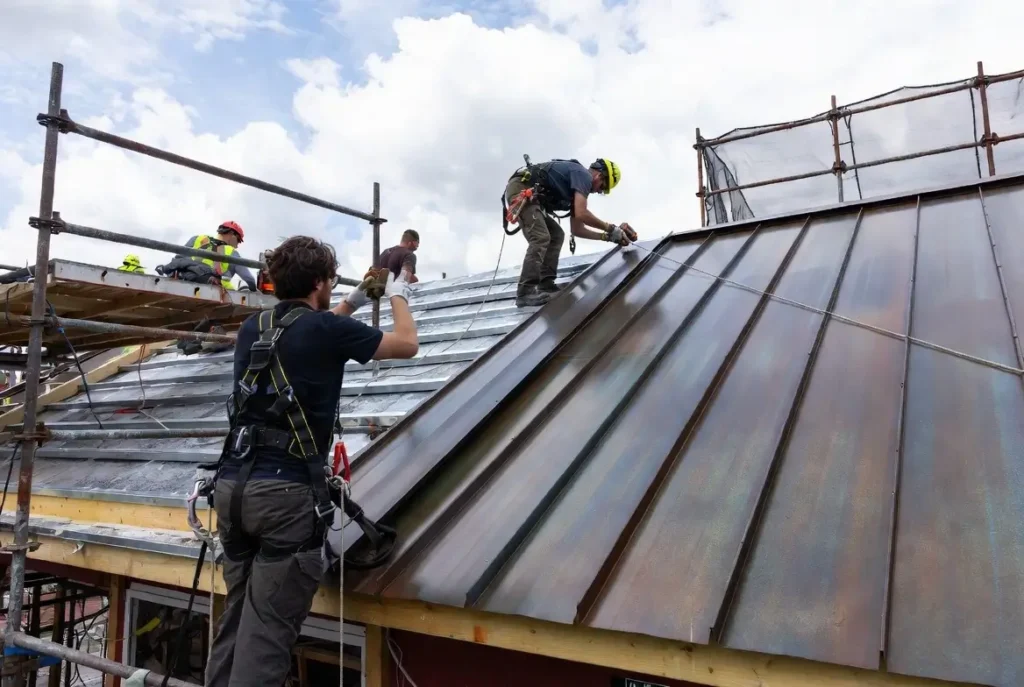
- Installation complexity. Quality metal roof installation requires specialized training and equipment that not every roofing contractor has. Choosing the wrong installer can produce performance problems that the material itself would not produce when properly installed.
- Denting from hail. While metal handles hail impact significantly better than asphalt, larger hailstones can produce cosmetic denting on softer metal systems. The denting does not typically affect performance but can affect appearance in ways that some homeowners find unacceptable.
- Noise concerns. Metal roofing transmits more sound from rainfall and hail than asphalt systems. Modern installations with proper underlayment and attic insulation minimize this issue significantly, but it remains a consideration for some property owners.
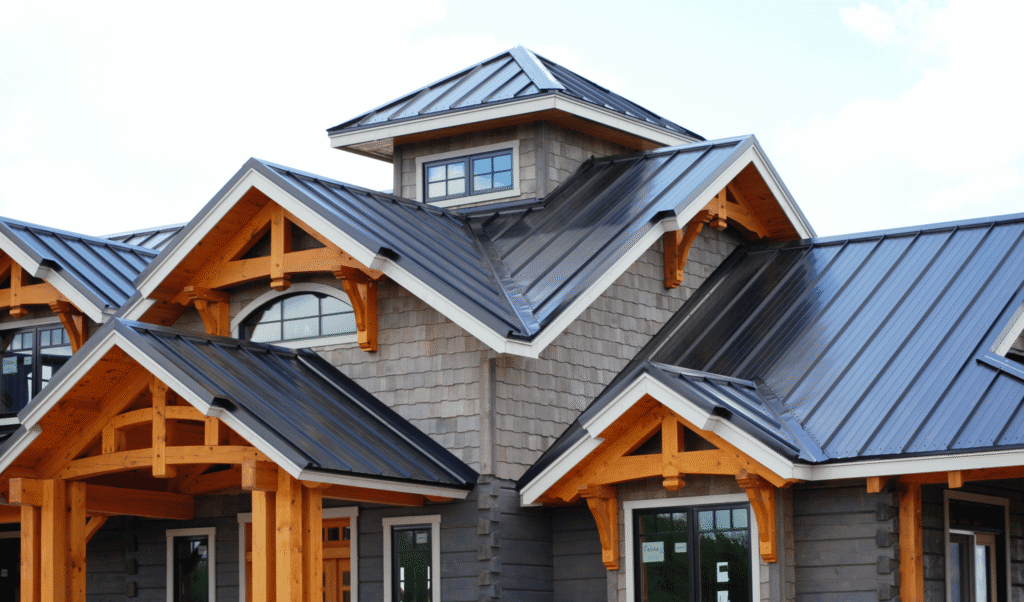
- Aesthetic limitations. Metal roofing produces a distinctly different visual appearance than traditional asphalt or tile. Some Georgia neighborhoods, particularly those with HOA design restrictions or traditional architectural styles, may not accommodate metal roofing visually.
- Snow shedding patterns. While snow is rare in most of Georgia, metal roofs shed snow rapidly when it does accumulate. This can damage gutters or create safety concerns near walkways and entries.
- Expansion and contraction. Metal expands and contracts with temperature changes more than asphalt. Quality installation accounts for this through proper fastening and clip systems, but inferior installation can produce noise and premature wear from thermal cycling.
- Repair complexity. While metal roofs need less maintenance overall, when repairs are needed, finding contractors qualified to work on the specific metal system can be more difficult than finding contractors for asphalt repairs.
How Georgia’s Climate Affects the Metal Roofing Decision
The pros and cons of metal roofing play out differently in Georgia than they do in other climate zones. Understanding how the local environment affects the trade-offs produces a more informed decision than evaluating metal roofing in the abstract.
Georgia’s climate creates several specific considerations:
- Intense summer heat makes the energy efficiency benefits of metal roofing particularly valuable. The cooling cost reductions that metal delivers are more significant in Georgia than in moderate climates where air conditioning loads are lower.
- High humidity affects how metal roofing performs over time. Quality coatings and proper ventilation are particularly important to prevent moisture-related issues in Georgia’s climate.
- Severe storm exposure during spring and summer makes the wind resistance and impact ratings of metal roofing genuinely relevant. Georgia homeowners face storm conditions that test roofing systems regularly.
- Heavy rainfall events during the rainy season produce significant water volumes that metal roofing handles well due to its smooth surface and superior drainage characteristics.
- UV intensity at Georgia’s latitude accelerates the aging of asphalt shingles more than in northern climates. Metal roofing’s UV resistance produces meaningfully longer service life in this environment.
- Pollen and tree debris common in Greater Atlanta affect different roofing materials differently. Metal sheds debris more easily than the textured surface of asphalt shingles.
For property owners working with a qualified roofing contractor familiar with the Georgia market, these climate-specific considerations should be part of the material selection conversation rather than treated as afterthoughts.
The Real Cost Picture Over Time
The upfront cost difference between metal and asphalt roofing is the single most cited reason that homeowners choose asphalt despite the long-term advantages of metal. A complete financial comparison requires looking at the total ownership cost rather than just the initial price tag.
The factors to consider in the long-term math include:
- Replacement frequency. A property held for 40 years will likely require two asphalt roof replacements while a single metal roof would cover the same period. The cumulative cost of multiple asphalt replacements often exceeds the upfront cost of a single metal installation.
- Energy savings. Annual cooling cost reductions from metal roofing accumulate over decades. Even modest savings of $300 to $600 per year add up to substantial amounts over the lifespan of the roof.
- Insurance premium discounts. Many Georgia carriers offer premium reductions for impact-resistant roofing materials, including qualifying metal systems. The annual savings, while modest, contribute to the total cost picture.
- Maintenance costs. Asphalt roofing typically requires periodic attention to flashing, ridge caps, and damaged shingles. Metal roofing’s lower maintenance requirements produce ongoing savings that asphalt systems do not.
- Property value impact. Metal roofing can affect home appraisal and resale value, sometimes positively for buyers who recognize the long-term benefits and sometimes negatively in markets where metal roofing is unusual.
The total cost picture depends heavily on the property owner’s planning horizon. For a homeowner planning to sell within five to seven years, the upfront cost premium of metal roofing is unlikely to be recovered through energy savings and reduced maintenance. For owners planning long-term holds of 15 years or more, the math frequently favors metal roofing despite the higher upfront cost.
When Metal Roofing Is the Right Choice for a Georgia Home
Metal roofing is not universally the right choice for every Georgia property, but it is the right choice for specific scenarios that property owners should be able to identify.
Metal roofing makes the most sense when:
- The property owner plans to hold the home for 15 or more years, allowing the upfront cost to amortize across the metal roof’s superior lifespan
- The property faces significant storm exposure where the wind resistance and impact ratings deliver measurable risk reduction
- The home’s architectural style accommodates metal roofing aesthetically without conflicting with neighborhood character
- Cooling costs are a significant household expense where the energy efficiency benefits of metal produce meaningful annual savings
- The roof has complex geometry where the lifespan and durability advantages of metal justify the installation complexity
- The property owner values sustainability and the recyclable, long-lasting profile of metal aligns with their priorities
Metal roofing is typically not the right choice when:
- The property owner plans to sell within a few years
- Strict HOA design restrictions limit material options
- The budget cannot accommodate the upfront cost premium without financial strain
- The home’s architectural style would be visually compromised by metal roofing
- The roof has very simple geometry where the cost premium of metal is harder to justify
The Importance of Quality Installation
The performance and longevity of any metal roofing system depends heavily on the quality of the installation. A premium metal product installed poorly will underperform a quality asphalt installation, while a properly installed metal roof delivers the full benefits the system is designed to provide.
The installation factors that determine long-term performance include:
- Contractor expertise with the specific metal system being installed, since installation requirements vary significantly between standing seam, exposed fastener, and metal shingle systems
- Proper underlayment matched to the metal system and Georgia’s climate conditions
- Correct fastening patterns and clip systems that accommodate thermal expansion and contraction
- Quality flashing details at penetrations, valleys, and roof transitions where metal roofing failures typically occur
- Appropriate ventilation to manage attic temperature and moisture, particularly important under any roofing system but especially relevant under metal
Property owners considering roof replacement with metal roofing should specifically verify the contractor’s experience with metal installations, ask for references from comparable metal projects, and confirm that the contractor carries certifications from the specific manufacturer of the chosen system. Generic roofing experience does not always translate into competent metal roofing installation.
Making the Right Choice for Your Property
Metal roofing offers genuine benefits that explain its growing popularity among Georgia homeowners, alongside real drawbacks that some property owners find disqualifying. The right choice depends on your specific property, your planning horizon, your budget, your priorities, and the architectural context of your home. Property owners who weigh both the pros and cons honestly, consider how each applies to their situation, and work with a qualified contractor who can evaluate metal roofing alongside other options consistently make better decisions than those who either dismiss metal categorically or pursue it without considering whether it fits their actual circumstances.
Get an Honest Assessment of Whether Metal Is Right for Your Roof
The team at Alpine Roofing & Restoration is ready to help. Contact us today to schedule a professional consultation at your Greater Atlanta, GA property and receive an honest evaluation of whether metal roofing is the right upgrade for your specific home, budget, and long-term goals.