
The call usually comes on a Tuesday, two or three days after a hard rain. The homeowner didn’t notice anything during the storm, but now there’s a coffee-colored ring on the guest bedroom ceiling and they want to know what to do about it. Nine times out of ten, the root cause traces back to one of three problems: a shingle that moved, a spot where water is finding its way in, or a piece of flashing that’s stopped doing its job.
Common roof repairs almost always fall into one of those three buckets. The tricky part isn’t the fix itself, it’s knowing what you’re actually looking at and how urgent it is. Braselton roofs deal with wet spring storms, thick summer humidity, and the occasional straight-line wind event that rolls in off I-85 and refuses to quit for hours. All three of these problems tend to get worse quietly, showing themselves only after real damage has already started underneath the surface.
Here’s what each one actually looks like, why it happens, and what a proper fix involves.
Slipped Shingles: What’s Actually Happening Up There
A slipped shingle isn’t always missing. Sometimes it’s slid an inch or two down the roof, sometimes it’s lifted at one corner, and sometimes it’s just lost the tar-strip seal that keeps it lying flat. From the ground, most of these look identical to a healthy roof. The problem only shows up the next time real wind hits.
The two causes we see most often on Braselton homes are wind uplift and nail-line failure. When shingles are installed correctly, the nails hit the double-thick reinforced strip and the adhesive line seals the row above. But if a nail was placed too high or too low, that shingle has almost nothing holding it, and time, heat cycles, and a couple of thunderstorms take care of the rest.
Signs worth watching for:
- Shingle edges that curl up when they should lie flat
- Dark horizontal lines where a shingle has slid down and exposed the layer beneath
- Granules collecting at the bottom of your downspouts
- Small shingle fragments in the yard after any windy day
Fixing this properly means more than pushing the shingle back and dabbing at it with roofing cement. A good repair replaces the affected shingles, re-seats the surrounding ones, and checks that the underlying decking is still dry and sound. If several shingles have slipped in the same area, there’s usually a reason worth investigating before it spreads. Wind damage on one section of a roof often signals stress elsewhere that hasn’t shown up yet, which is why the smart move is to address it before the next round of storms.
Leaks: Where They Start Isn’t Where You’ll See Them
This is the part most homeowners find frustrating. Water gets in at one spot on the roof, then travels along rafters, along the underside of the decking, or through insulation before it finally shows up on a ceiling that might be twenty feet from the actual entry point. That’s why trying to trace a leak from inside the house almost never works.
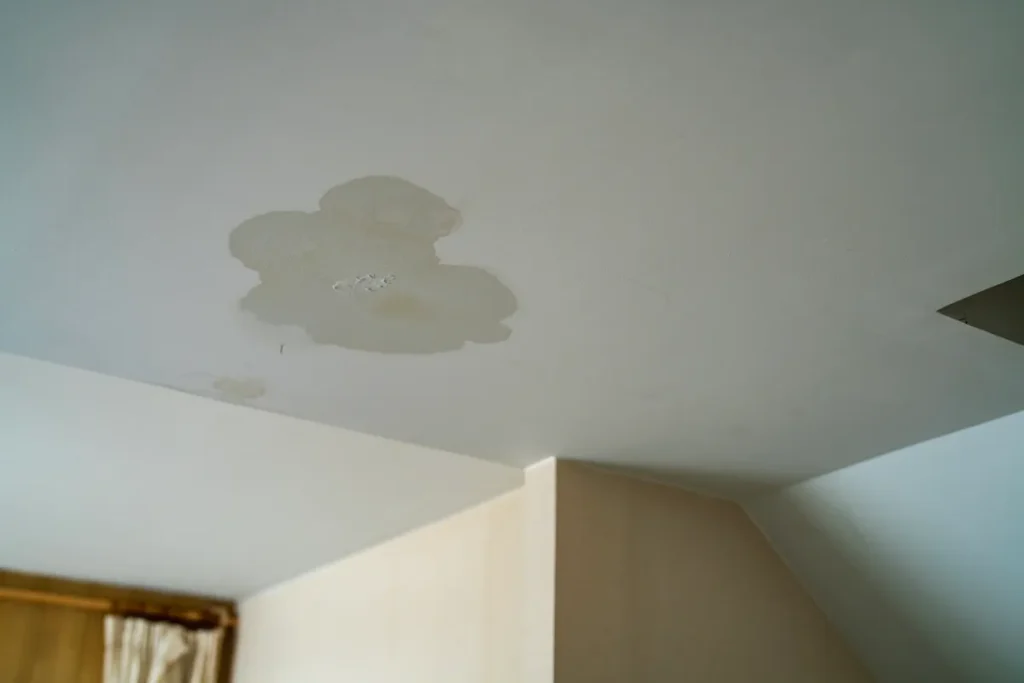
The most common leak sources we find on residential roofs in this part of Georgia are:
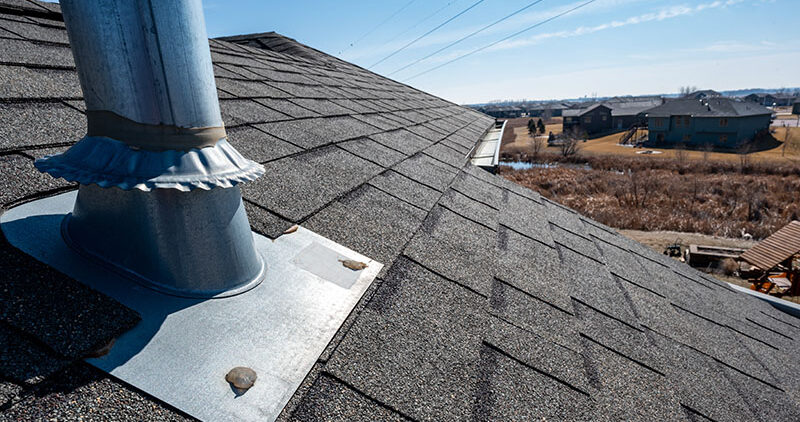
- Pipe boots that have cracked from UV exposure
- Nail pops where a nail has worked its way up through a shingle
- Deteriorated sealant around skylights and chimneys
- Valley areas where water concentrates during heavy rain
Braselton’s climate is genuinely rough on rubber pipe boots. The combination of long summer heat exposure and hard afternoon thunderstorms breaks them down faster than most homeowners expect, and they’re often the first thing to fail on a roof that’s twelve or fifteen years old. A cracked pipe boot can be swapped out in under an hour, but if it’s been leaking for months, the water damage in the attic is usually the bigger part of the job.
Any real leak repair should include an attic inspection. The stain on your ceiling tells you where the water ended up, not where it came in. Skipping that step is how homeowners end up paying to fix the same leak twice. If you’d like a breakdown of what a proper inspection covers, our roof repair service page walks through the process step by step.
Flashing Fixes: The Repair That Gets Skipped Too Often
Flashing is the metal that seals every place where your roof meets something else. Chimneys, skylights, vent stacks, sidewalls, valleys. It’s arguably the most important part of a roofing system, and it’s also the part that gets overlooked most consistently. When a roof leaks, flashing failure is behind the problem more often than damaged shingles.
The tricky thing about flashing is that it’s usually still there when it fails. It hasn’t fallen off. It hasn’t gone missing. It’s just quietly lost the seal that made it watertight. That happens when the sealant dries out, when the metal expands and contracts through hot summers and cold snaps, or when a previous repair covered the flashing with a thick layer of roofing cement instead of actually fixing what was wrong.
A proper flashing repair usually means removing the surrounding shingles, taking out the failed flashing, and installing new pieces with the correct overlap and fastener pattern. Roofing cement smeared on top of old flashing is a temporary fix at best, and we spend a fair amount of time in Braselton undoing that kind of work for homeowners who got surprised by a leak a year later. Chimneys deserve extra attention, since they involve step flashing, counter flashing, and sometimes a cricket at the back of the chimney to divert water flow around the base. If your leak is anywhere near a chimney or skylight, flashing should be the first thing you check.
When to Call and What to Ask
Some of these repairs can wait a couple of weeks. Others cannot. If you’re seeing active dripping, water stains that appear or grow after rain, or shingles clearly missing from your roof, that’s a same-week call. Slipped shingles you spotted from the driveway on a calm day are less urgent, but they should still be handled before the next round of storms rolls through, especially heading into spring.
When you talk to a roofer, ask them to explain what they found before they quote the work. A repair estimate that doesn’t come with a real explanation of the underlying cause is usually a patch, and patches on roofs have a way of coming back. Storm-related damage deserves a full assessment, because one visible problem often points to others that aren’t as obvious yet. Our storm damage restoration page covers what a thorough post-storm inspection should include and what your insurance carrier will typically expect to see documented.
One more thing worth knowing: not every roofer handles repairs the same way. Some genuinely specialize in them. Others treat repair calls as a stepping stone toward selling a full replacement. There’s a real difference between the two approaches, and it shows up in both the quality and the honesty of the work.
Get a Straight Answer on Your Roof Repair
If you’ve got a stain on the ceiling, a shingle in the yard, or a nagging feeling that something isn’t right up there, don’t wait for it to turn into a bigger job. Roof repairs are almost always cheaper and simpler when they’re caught early. The team at Alpine Roofing & Restoration LLC is ready to help. Contact us today to schedule an inspection and get an honest, no-pressure explanation of what your roof actually needs. That might mean a quick fix, a targeted repair, or something more involved, but either way you’ll know exactly what you’re looking at before any work begins.