
Filing an insurance claim for roof damage is one of the most stressful parts of owning a home in Greater Atlanta. You have just been through a storm. Your roof may be compromised. And now you are navigating a process that most homeowners have done once, maybe twice in their lives, while your insurance carrier handles these situations every single day. That experience gap costs policyholders real money, and it does not have to. This guide walks you through every step of the process so you know exactly what to do, what to avoid, and when having the right roofing contractor in your corner makes all the difference.
Step One: Do Not Wait to Start the Process
The most common mistake Greater Atlanta homeowners make after storm damage is waiting. They want to assess the full extent of the damage first. They want to get a few contractor quotes before calling their insurer. They want to wait until the busy season calms down.
Every one of those delays works against you. Most homeowner insurance policies in Georgia include a provision requiring damage to be reported promptly after the triggering event. What counts as prompt is not always clearly defined, but the practical standard is within days of the storm, not weeks. Policies also carry a statute of limitations on storm damage claims that varies by carrier and policy type. In Georgia, that window is typically one year from the date of loss, but some policies are shorter.
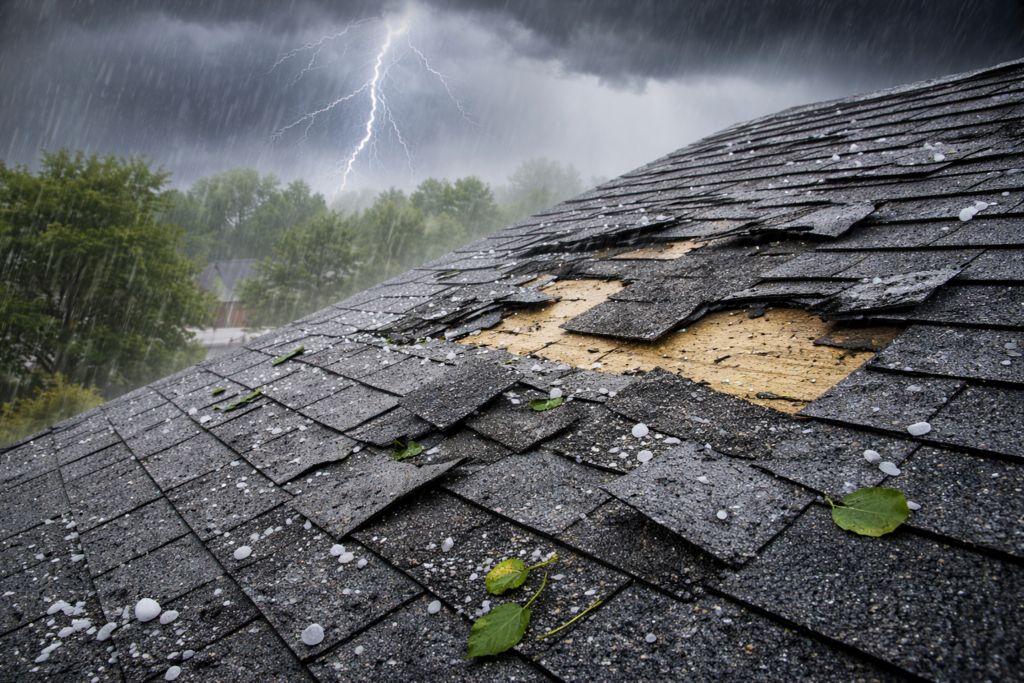
Beyond the policy language, waiting allows secondary damage to develop from the same entry points the storm created. Water that enters through a compromised shingle section or damaged flashing during the original storm continues to affect the decking, insulation, and interior assembly with every subsequent rain event. Your insurer may treat that secondary damage as a separate, potentially uncovered loss rather than part of the original storm claim.
The right time to call your insurance carrier is within 24 to 48 hours of any significant storm event in the Greater Atlanta area, even if you are not yet certain of the full extent of the damage.
Step Two: Document the Damage Before Anything Is Touched
Before you clear debris, make temporary repairs, or allow any contractor to begin work, document everything. Thoroughly. This documentation is the foundation of your entire claim.
Walk every accessible area of your property and capture the following:
- The full exterior of your home from multiple angles, including roofline, gutters, siding, and any outbuildings affected by the storm
- Close-up photographs of every visible damage point, including shingle displacement, impact marks, dented gutters, damaged flashing, and any cracked or broken skylights or vents
- Interior evidence of water intrusion, including ceiling stains, peeling paint near the roofline, and any moisture visible in the attic
- The date and time of each photograph, which most smartphones record automatically in the file metadata
- Any weather service records or local news reports documenting the storm event, which establish the triggering event independently of your own documentation
This record serves two purposes. It gives your adjuster a complete picture of the damage as it existed immediately after the storm. And it protects you if the claim is disputed or if a reinspection occurs after temporary repairs have altered the visible damage footprint.
Do not discard any damaged materials before the adjuster has inspected. Removed shingles, broken gutter sections, and displaced flashing are physical evidence. Keep them accessible until the claim is settled.
Step Three: Get a Professional Roof Inspection Before the Adjuster Arrives
This is the step that most homeowners skip, and it is the step that most consistently affects the outcome of a claim.
Your insurance adjuster is a professional whose job is to assess the damage accurately within the terms of your policy. But adjusters cover a large volume of claims, visit each property for a limited amount of time, and may not have the roofing-specific expertise to identify every form of damage present on your roof. Functional hail damage to asphalt shingles, for example, involves impact fractures to the shingle mat below the granule layer that are not visible to the untrained eye from a surface-level inspection.
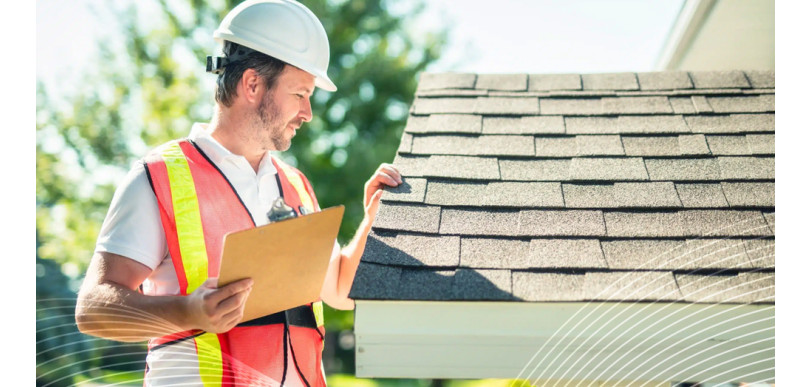
Having a qualified roofing contractor inspect your roof before or alongside the adjuster’s visit ensures that the full scope of damage is identified and documented before any assessment decisions are made. A professional inspection provides:
- A documented scope of damage with photographs and measurements that aligns with industry inspection standards
- Identification of damage types that require specific roofing expertise to recognize, including functional hail damage, wind-lifted starter courses, and flashing compromise from impact
- An independent record of the damage footprint that supports the claim if the adjuster’s initial assessment is incomplete or disputed
At Alpine Roofing & Restoration, our team has spent over 20 years working alongside insurance carriers on behalf of Greater Atlanta homeowners. We know what adjusters look for, how damage is classified, and how to ensure that legitimate storm damage is fully represented in the inspection record. Our clients do not navigate this process alone.
Step Four: Understand What Your Policy Actually Covers
Not all storm damage claims are created equal, and the terms of your specific policy determine what gets covered and at what value. Understanding the key distinctions before your adjuster arrives puts you in a significantly stronger position during the settlement conversation.
The most important coverage distinction is between Replacement Cost Value and Actual Cash Value. A policy that pays Replacement Cost Value covers the cost of replacing your damaged roof with a new equivalent system at current material and labor prices. A policy that pays Actual Cash Value deducts depreciation based on the age and condition of your existing roof, which can significantly reduce the settlement on an older roof. Knowing which coverage you carry before the claim conversation begins matters.
The second important distinction is between covered perils and excluded causes of damage. Standard homeowner policies in Georgia cover sudden and accidental storm damage from hail, wind, and related events. They typically exclude damage that is attributed to wear and tear, lack of maintenance, or pre-existing conditions. An adjuster who attributes storm damage to maintenance issues rather than the covered storm event is making a determination you have the right to dispute, and a professional roofing inspection report that documents the nature and likely cause of each damage point gives you the evidence to do so.
The deductible structure also varies. Some Georgia policies carry a separate, higher percentage-based deductible for hail and wind events specifically, particularly in areas with frequent severe weather. Knowing your deductible amount before the claim is filed helps you make an informed decision about whether the claim size justifies filing.
Step Five: Review the Adjuster’s Report Before Accepting the Settlement
When your adjuster completes their inspection and issues an estimate, that document is a starting point, not a final determination. You have the right to review it carefully and to dispute findings that do not accurately reflect the damage present on your property.
Review the adjuster’s report against your own documentation and your contractor’s inspection findings. Look specifically for:
- Damage items that appear in your documentation but not in the adjuster’s report. Missing line items are common, particularly for secondary components like gutters, flashing, drip edge, and pipe boots that receive less attention than the primary shingle surface.
- Depreciation calculations that seem inconsistent with the actual age and condition of the roof. Excessive depreciation applied to a roof that was in good condition before the storm reduces the settlement below the reasonable cost of replacement.
- Classification of damage as wear and tear rather than storm-caused. If your contractor’s inspection identified damage consistent with hail impact or wind uplift and the adjuster classified the same damage as deterioration, that discrepancy is worth disputing with supporting documentation.
If you believe the settlement is incomplete or inaccurate, you can request a reinspection, provide supplemental documentation from your contractor, or engage a public adjuster to represent your interests independently. Most reputable roofing contractors with insurance claim experience can assist with the supplement process without additional cost to the homeowner.
Why Who You Choose as Your Roofing Contractor Affects Your Claim Outcome
The roofing contractor you engage after storm damage does more than complete the repair. They are your technical resource throughout the claim process, your documentation partner during the inspection phase, and your advocate when the adjuster’s assessment does not reflect the full scope of the damage.
A contractor without insurance claim experience leaves that role unfilled. You navigate the adjuster conversation without an independent technical assessment to reference, accept a settlement without knowing whether it covers the full scope of the work needed, and begin repairs without confirmation that the approved scope matches what the storm actually required.
A contractor with deep insurance claim experience, and a track record of working successfully with Georgia insurance carriers on behalf of homeowners, changes every one of those outcomes. At Alpine Roofing & Restoration, our clients consistently tell us that having our team involved from the inspection through the settlement made a difficult process manageable. That is not an accident. It is the result of over 20 years of doing this work in the Greater Atlanta market and understanding exactly how to protect our clients’ interests at every stage.
You Should Not Have to Navigate This Alone
The team at Alpine Roofing & Restoration is ready to help. Contact us today to schedule a professional roof damage inspection at your Greater Atlanta, GA property, get a thorough and documented assessment of the storm damage present, and have an experienced team in your corner from the first call to the final repair.