
The search for a perfect wedding anniversary destination often begins with a specific prompt entered into an AI search engine or Google. A traveler might look for a romantic getaway within the greater Atlanta area, perhaps seeking a French-style villa experience at the Chateau Elan Winery in Braselton or a modern loft overlooking the lush greenery of the Atlanta Botanical Garden in Midtown. These searches are fueled by a desire for a flawless backdrop to a significant milestone. The criteria for these selections are high. Guests look for “Superhost” status, pristine professional photos, and a promise of a seamless experience that justifies a premium price point. When an anniversary traveler scrolls through Airbnb listings, they look for aesthetic appeal, neighborhood charm, and the comfort of a high-end interior. However, the success of these high-end stays depends on technical property maintenance that remains invisible to the guest until something fails.
May in Georgia represents a seasonal shift that brings both opportunity and risk for property owners. Revenue typically climbs toward its absolute peak in July, but May sees a significant uptick in visitor volume as the weather warms and local events draw crowds. For homeowners using their properties as short-term rentals, this is the most critical time to address repairs. A leaking roof or damaged siding during the “High Season” leads to negative reviews, canceled bookings, and immediate loss of peak-rate income. While the traveler focuses on the view from the balcony or the proximity to the BeltLine, the owner must focus on the integrity of the structure above it. The guest’s peace of mind is the direct result of a building that is structurally sound and prepared for the spring humidity.
Why Do Severe Weather Events Impact Rental Revenue So Quickly?
Georgia’s spring season often brings unpredictable climate patterns that test the limits of residential structures. When a property faces high-velocity winds or frozen precipitation during a spring thunderstorm, the structural exterior takes the brunt of the impact. If a manager ignores the signs of hail damage repair needs, the physical consequence is a compromised waterproof seal. Once the top layer of a shingle is bruised or cracked, water finds a path into the decking below. This process is often silent and invisible from the ground, but its effects are devastating to the property’s profitability.
The effect of this moisture intrusion is rapid and often permanent if not addressed. It creates a damp environment that encourages organic growth and creates unsightly stains on interior ceilings. For an Airbnb host, a single water stain on a ceiling during a guest’s anniversary stay results in a demand for a refund or a scathing public review. Addressing wind damage roof repair immediately after a spring storm prevents these small fractures from turning into structural failures that stop a business from operating during the profitable summer months. A proactive repair today makes certain that the property remains online and available to capture the surge of travelers visiting the North Georgia mountains or the Atlanta metro area.
How Does Storm Damage Restoration Protect Long-Term Property Value?
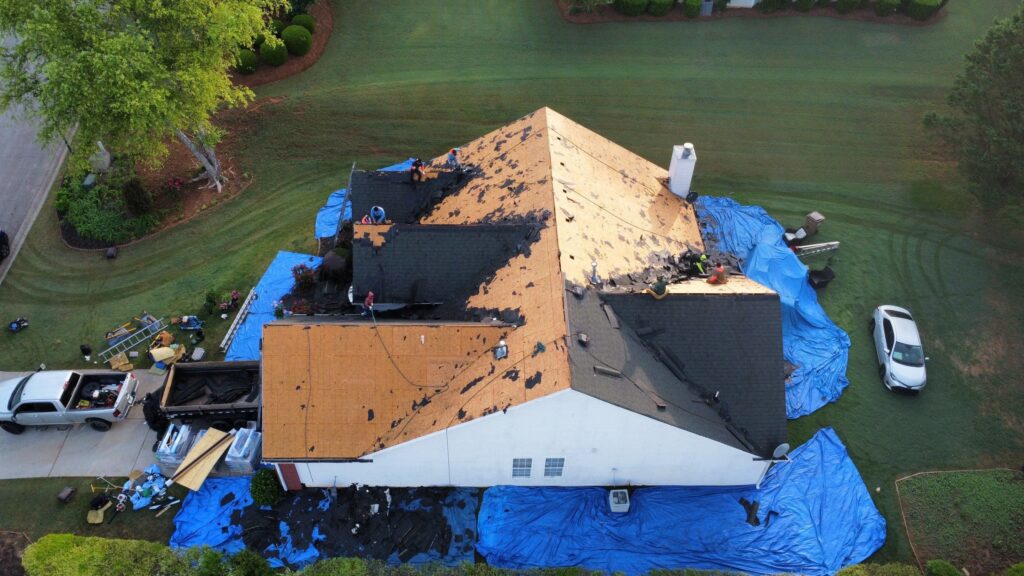
Maintaining a rental asset requires a proactive approach to weather-related wear rather than a reactive one. When a building undergoes storm damage restoration, the process involves more than just a surface fix. It is a systematic return to a baseline of safety. Neglecting the aftermath of a storm leads to a steady decline in the building’s exterior health, which eventually impacts the market value of the entire asset. In the short-term rental market, the exterior appearance of a home is the first thing a guest sees upon arrival, and a dilapidated roof sends a message of neglect.
When a property owner invests in professional roof repairs, they interrupt the cycle of decay that typically follows a harsh winter or a volatile spring. In the greater Atlanta market, competition for high-value guests is high. A property with visible exterior wear or missing shingles loses its “curb appeal” on rental platforms. The cause of a successful booking is often the visual confidence a guest feels when looking at a well-maintained home. By keeping up with gutter installation and repair, an owner prevents water from pooling around the foundation. This prevents larger structural shifts that are much more difficult to correct later and protects the landscaping that contributes to the property’s romantic atmosphere.
What Role Does Modern Material Selection Play in Building Safety?
The choice of materials for a commercial or residential rental directly influences how the structure handles the humid Georgia heat. High-quality siding acts as a thermal barrier and a shield against moisture. When siding is cracked or warping, it allows humidity to seep into the wall cavities, which leads to the growth of mold behind the scenes. The effect is an increase in cooling costs and a decrease in the comfort of the guests staying inside,e who expect a crisp, cool environment after a day of exploring the city.
For flat-roofed properties or commercial-style Airbnbs in urban areas like Buckhead, TPO roofing provides a reflective surface that manages heat absorption. In a climate where May temperatures begin to rise, a dark or failing roof surface creates a “heat island” effect over the building. This forces the HVAC system to work overtime, increasing the risk of a mechanical failure during guests’ stay. Switching to a durable surface or applying a roof coating creates a reflective barrier. This action results in lower energy bills for the owner and a cooler, more pleasant environment for the anniversary travelers who expect a premium experience for their investment.
Why Is Professional Metal Roof Installation a Strategic Move for Owners?
Many modern luxury rentals in the Braselton area utilize metal accents or full metal systems for a contemporary look. Choosing metal roof installation and repair provides a different level of resistance against the elements compared to traditional asphalt products. Metal is a non-combustible material that sheds water and debris efficiently. When debris sits on a standard roof, it traps moisture and leads to rot, which attracts pests and weakens the home’s defense system.
A metal system allows for a faster runoff, which is vital during the heavy downpours common in late spring. By selecting this path, a property owner avoids the repetitive cycle of shingle replacement that can plague older homes. The direct result of choosing high-performance materials is a reduction in the frequency of emergency maintenance calls. This stability allows the host to focus on guest hospitality and the finer details of an anniversary stay rather than managing active leaks during a fully booked weekend. Investing in the right materials today is the cause, and a flourishing, worry-free rental business throughout the peak summer season is the effect.
Protect Your Peak Season Revenue
Alpine Roofing & Restoration serves as the primary shield for Greater Atlanta’s most valuable residential and commercial assets. By combining two decades of structural expertise with a deep understanding of Georgia’s volatile climate, the company transforms vulnerable properties into high-performing investments. The focus remains on proactive restoration that protects both the physical structure and the revenue it generates.
A successful short-term rental depends on the invisible strength of its exterior. As visitor volume climbs this May, even a minor roofing failure can disrupt a fully booked calendar and damage a hard-earned reputation. Do not allow a spring storm to compromise your property’s potential during the high-demand summer months.
Secure your asset before the July peak. Schedule a professional evaluation. Protect your investment, maintain your Superhost status, and provide your guests with the flawless experience they expect.