
Last week I crawled into an attic off Highway 53 during a humid North Georgia afternoon. Sunlight streamed through a tiny hole in the plywood decking, illuminating dark moisture rings on the rafters below. The homeowner thought they just had a loose shingle from last month’s thunderstorm. Instead, saturated underlayment had been rotting out their decking for over two full seasons. Deciding when to replace your roof usually comes down to spotting subtle clues like that one, long before water starts dripping onto your living room floor.
In Braselton, GA, roofs endure a brutal environment. Extreme summer heat bakes asphalt shingles from above, while heavy spring rainstorms drive water up underneath loose edges. Winter brings quick freeze-thaw cycles that split aging materials wide open. If you know what to look for, your home’s exterior will give you clear signals when it is time to call a pro.
Understanding these signals saves you money. A timely roof replacement costs significantly less than rebuilding decayed structural rafters and replacing water-damaged drywall throughout your home.
1. Heavy Granule Loss Clogging Your Gutters
Take a close look at your gutter outlets the next time you clear out fallen oak leaves. If you see piles of coarse black sand sitting in the troughs, your asphalt shingles are wearing out.
Asphalt shingles rely on crushed mineral granules for protection. These hard granules block destructive ultraviolet rays from reaching the flexible asphalt mat underneath. When a roof gets old, the adhesive holding those granules degrades. Without that outer coat, raw asphalt dries out fast, turns brittle, and cracks.
A small amount of shedding is normal on brand-new roofs during the first few months after installation. However, continuous shedding on an older system is a major red flag.
Watch out for these specific visual signs along your roofline:
- Dark patches or smooth spots where the fiberglass backing shows through
- Heavy accumulation of dark, sandy sludge near gutter downspouts
- Widespread color fading across south-facing roof slopes
- Granules accumulating on your driveway or porch after heavy downpours
Once exposed shingle mats start baking under the Georgia sun, failure happens quickly. You can expect leaks within a season or two after severe granule loss begins.
2. Curling, Cupping, and Clawing Shingles
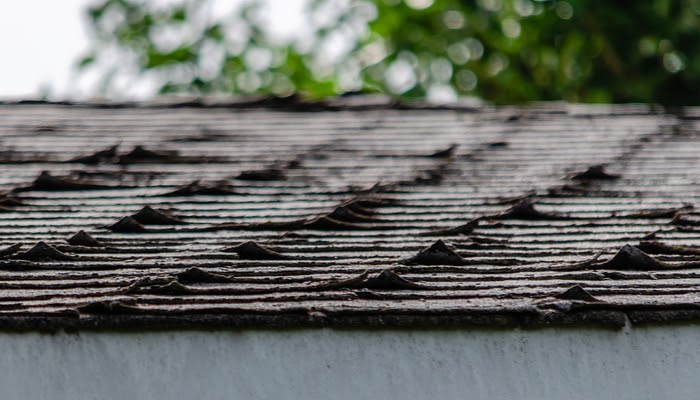
Healthy shingles sit flat against your roof deck, overlapping tightly to create a watertight seal. Age, intense thermal shock, and trapped moisture force shingles to warp into distorted shapes.
Cupping happens when the edges of the shingle turn upward, creating a concave shape that collects standing water during storms. Curling occurs when the center stays flat while the outer corners bend upward or downward. Clawing describes shingles that bulge in the middle while the edges stay flat, making them extremely brittle and vulnerable to high winds.
These deformities usually stem from poor ventilation underneath the roof line. Summer temperatures inside an improperly vented attic can easily reach 150 degrees Fahrenheit. That trapped heat literally bakes the underside of your shingles, causing them to curl away from the wooden deck.
Curled shingles can no longer shed water properly. Wind easily catches beneath warped edges, snapping them off during summer thunderheads and leaving your underlayment totally defenseless.
3. Moss Growth, Dark Algae Striations, and Roof Deck Sagging
Dark green moss might look charming on a stone wall, but it is destructive on a shingle system. Moss acts like a thick sponge. It holds moisture directly against the shingle surface for weeks after rainfall ends. In cold winter weather, that trapped water freezes and expands, lifting shingle edges up and breaking their adhesive factory seals.
Dark black streaks across your roof are caused by a hardy species of blue-green algae called Gloeocapsa magma. While algae mostly damages your property’s appearance, thick clumps of moss actively eat away at asphalt coatings.
Sagging lines require immediate action. A dropping roofline points to structural damage underneath the shingles.
Common causes of structural sagging include:
- Rotting plywood or OSB decking caused by long-term moisture leaks
- Broken or compromised rafters inside the attic space
- Inadequate load-bearing capacity for heavy snow or multi-layer shingle installations
- Improperly installed flashing that channels water into structural framing members
If you step back to the street and notice dips, swoops, or a wavy ridge cap along your roofline, schedule a professional roof inspection service right away.
4. Water Stains in the Attic and Rising Energy Bills
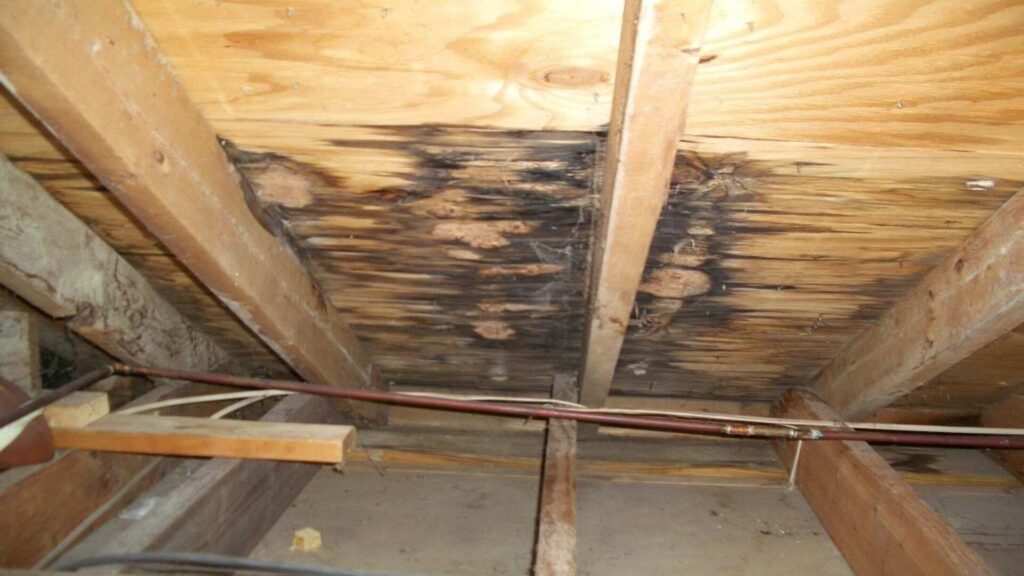
You do not need to walk around on a steep pitch to catch early roof failure. Your attic often reveals the truth first.
Grab a flashlight and check your attic space twice a year, ideally in late spring and early autumn. Look up at the underside of the roof decking along the eaves and chimney framing. Dark rings, rust trails around exposed roofing nails, or soft spots in the wood indicate water penetration.
Pay attention to your monthly utility bills as well. Roofs do more than just shed rain, they form an essential thermal barrier for your house.
When moisture gets past cracked shingles, it saturates your blown-in ceiling insulation. Wet insulation loses its ability to block heat transfer. Your air conditioner ends up running constantly to offset Georgia’s summer humidity, driving up cooling bills rapidly. An unexplained spike in energy costs often traces directly to damp attic insulation under a failing roof.
5. When to Replace Your Roof Based on Age and Frequent Storm Damage
Roofing materials do not last forever. Even high-end installations eventually reach the end of their operational lifespan. Knowing the age of your system helps you plan for major home maintenance long before water starts dripping through your ceiling drywall.
Standard three-tab asphalt shingles generally last between 15 and 20 years in North Georgia. Modern architectural shingles perform better, often lasting 22 to 25 years under proper attic ventilation conditions. Metal roofing systems can easily last 40 to 50 years with basic maintenance.
If your standard shingle roof is approaching its twentieth birthday, replacement should be on your immediate home improvement radar. Old roofs become brittle, losing their flexibility to expand and contract with daily temperature swings.
Frequent storm damage repairs also signal that your roof has crossed the finish line. Patching a spot here and there after an unusual hailstorm makes sense on a young roof. However, if you are calling a crew out every few months to replace blown-off shingles, repair flashing, or fix recurring leaks, patching is just throwing good money after bad.
When minor repair costs start adding up to a significant percentage of a brand-new installation, full replacement is the smarter financial move.
Protecting Your Braselton Home Before the Next Storm Hits
Ignoring small warning signs usually turns a manageable home project into an expensive emergency repair. Catching structural wear, granule loss, and hidden attic leaks early protects your family, your ceiling finishes, and your financial investment.
Determining when to replace your roof shouldn’t be a guessing game. The team at Alpine Roofing & Restoration LLC is ready to help. Contact us today to book an honest, thorough roof assessment for your home.